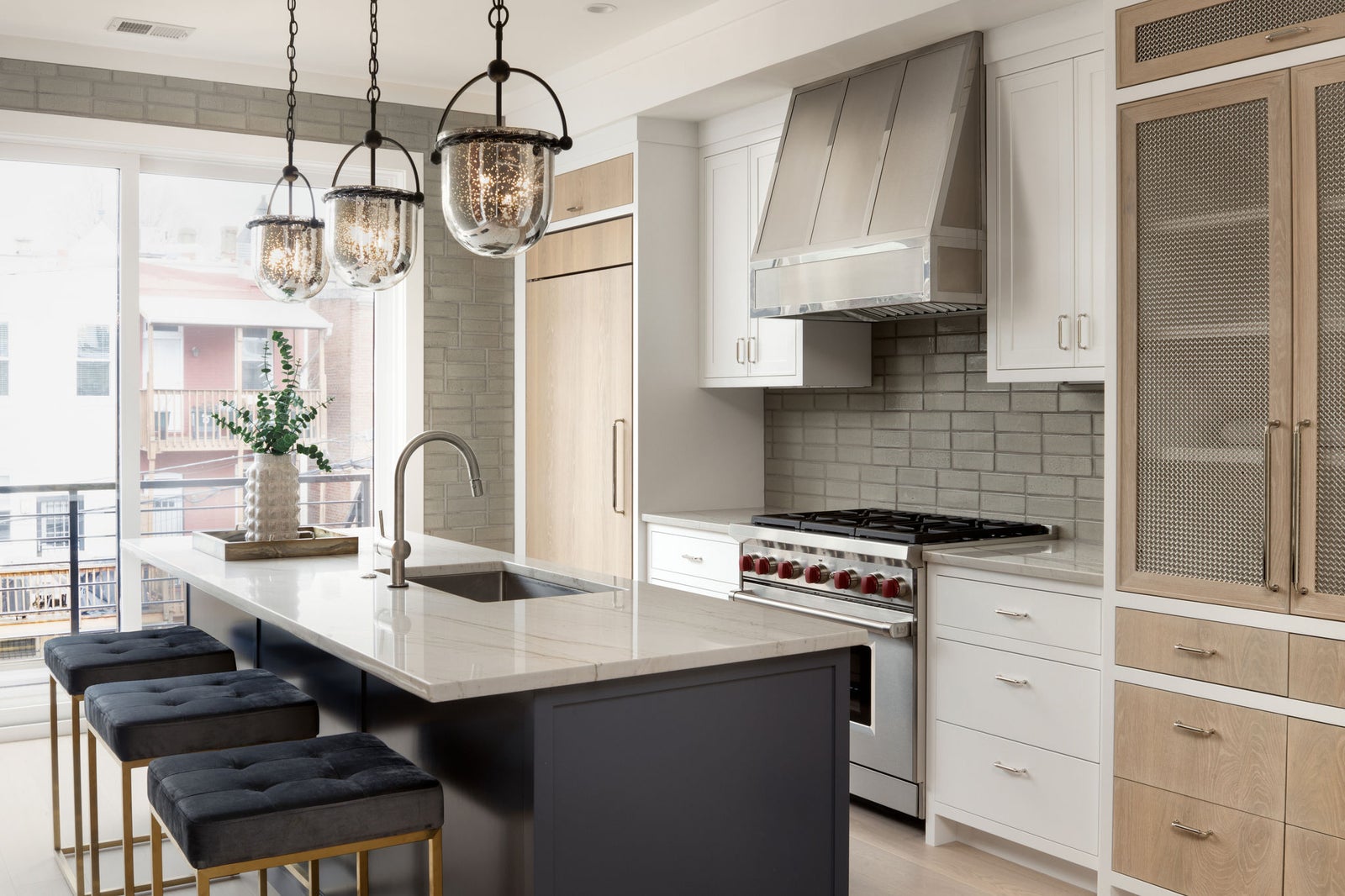
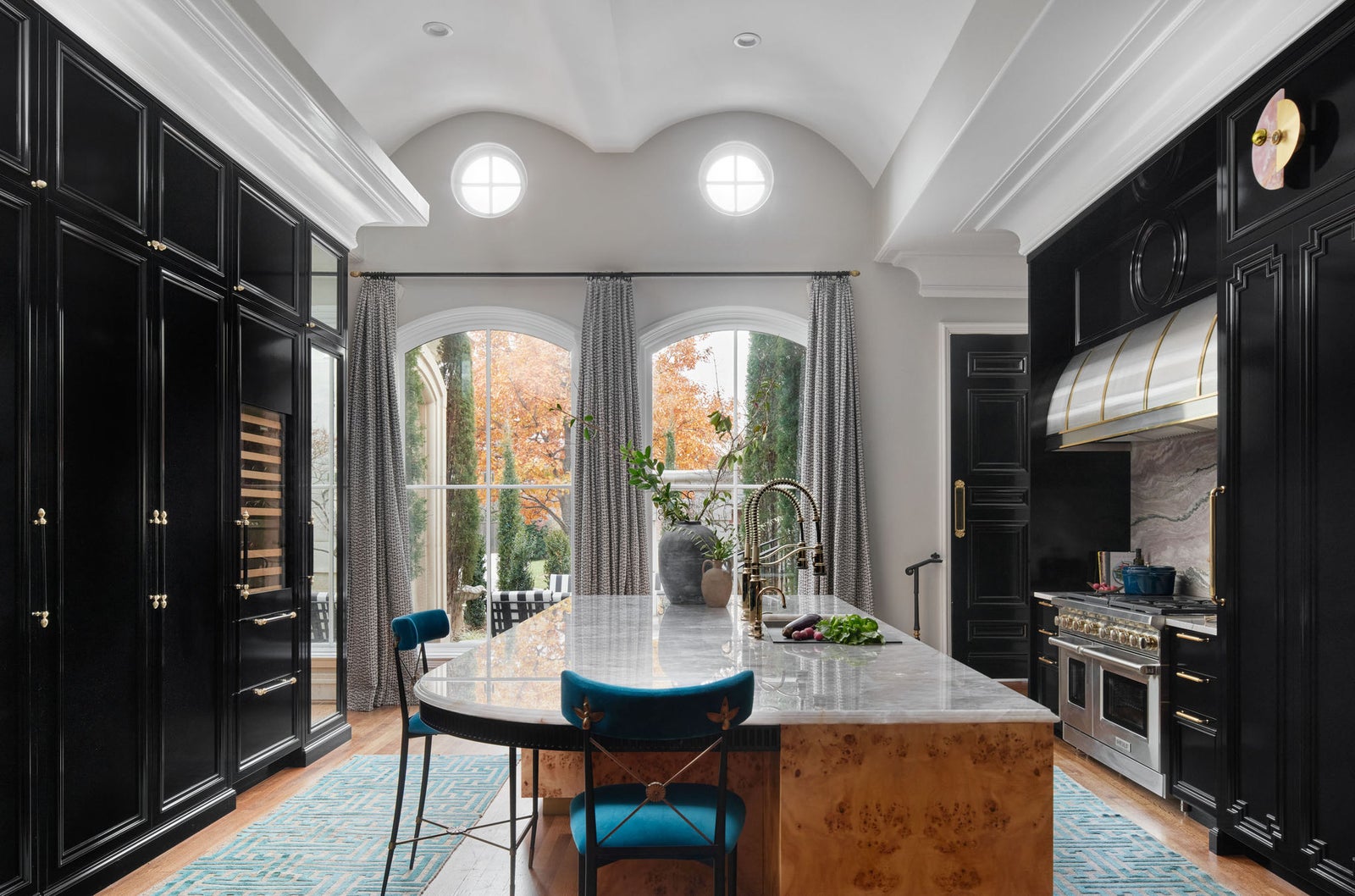
Wolf appliances are engineered to last 20 years or more under regular use — but that longevity depends on maintenance as much as build quality. After years of servicing Wolf appliances across the country, our technicians have identified a consistent pattern: the appliances that perform flawlessly for decades are the ones whose owners follow a regular maintenance routine. The appliances that fail prematurely almost always have a history of neglected maintenance for at least one preventable issue.
This checklist covers maintenance tasks for every category of Wolf appliance. Work through the tasks relevant to your specific Wolf lineup annually — and note which tasks should happen more frequently throughout the year. The entire annual maintenance routine for a fully Wolf-equipped kitchen takes 2–4 hours and prevents the most common and most expensive Wolf appliance failures.
Wolf Range Maintenance (GR and DF Series)
Wolf professional ranges are the centerpiece of most Wolf kitchens and require the most comprehensive annual maintenance attention. The dual-stacked sealed burner system, the ERC-based oven control, and the self-clean mechanism all benefit from scheduled maintenance.
- Deep-clean all burner caps and ports (annually, or after any significant boil-over). Remove every burner cap and soak in warm soapy water for 20–30 minutes. Clean each flame port individually with a soft brush or wooden toothpick. Do not use metal tools in the ports. Rinse thoroughly and dry completely before reinstalling. Clogged burner ports cause weak, uneven flames and continuous ignition clicking — regular port cleaning prevents these issues entirely.
- Verify oven temperature accuracy (annually). Place a calibrated oven thermometer on the center rack and set the oven to 350°F in standard bake mode. After 20 minutes at temperature, compare the thermometer reading to the set temperature. Wolf E Series and M Series ranges allow a temperature calibration offset adjustment — if the oven consistently reads more than 25°F above or below the set point, adjust the calibration offset accordingly.
- Inspect all oven door gaskets (annually). Open the oven door fully and run your fingers around the perimeter of the door gasket. It should be continuous, pliable, and firmly attached to the door frame with no gaps or areas where it has pulled away. A deteriorated or torn gasket allows heat to escape, reducing efficiency and causing the oven to cycle more frequently.
- Test the oven self-clean cycle (annually). Running a self-clean cycle annually maintains the oven interior and tests the door lock mechanism. Before initiating self-clean, remove all oven racks and wipe out any large food deposits — running self-clean with heavy food accumulations increases smoke and high-temperature stress on oven interior components.
- Inspect spark electrode tips (annually). Check the ceramic electrode tip at each burner for cracks, damage, or heavy carbon accumulation. The electrode tip should be intact and relatively clean. Carbon-fouled tips can be gently cleaned with a fine emery cloth. Cracked electrodes require professional replacement.
- Check the convection fan (annually). Turn the oven to a convection mode and listen for normal fan operation — a consistent, smooth airflow sound. Any grinding, rattling, or periodic noise indicates bearing wear or a fan blade obstruction. Catching a developing convection fan bearing issue early is much less expensive than a failed motor replacement.
Wolf Rangetop and Cooktop Maintenance (RT, CG, CE, CI Series)
- Deep clean the burner area (annually, or quarterly in heavy-use kitchens). Lift the grates and clean beneath them thoroughly, including the sealed burner bases. Food debris and grease accumulation in the burner area is the primary cause of ignition problems and uneven flames.
- Test ignition on every burner (annually). Confirm that each burner lights promptly and cleanly from the first click, with a stable blue flame ring. A burner that requires multiple attempts to light has a developing ignition issue — a clogged port, misaligned cap, or weakening electrode — that will worsen if not addressed promptly.
- Inspect the dual-stacked simmer ring function (annually). Test the ultra-low simmer setting on the large dual-stacked burner. The simmer ring should produce a small, stable inner flame at the lowest position. If the simmer ring flame is absent or unstable, the inner ring ports need cleaning or the simmer valve requires service.
- Induction cooktop: check ventilation clearances (annually). For Wolf induction cooktop models (CI series), verify that the ventilation slots beneath the cooktop are unobstructed. The IGBT inverter modules that power induction zones require adequate airflow to prevent overheating — blocked ventilation is the primary cause of Wolf induction E0 fault codes.
Wolf Wall Oven Maintenance (E Series, M Series)
- Verify oven temperature accuracy (annually). Same procedure as for ranges. Wall ovens are often installed in upper or lower positions where the user cannot visually observe food cooking, making accurate temperature calibration particularly important.
- Inspect door gaskets on both cavities of double ovens (annually). Double wall ovens (DO30, DO36) have two sets of door gaskets — inspect both. The lower cavity gasket is exposed to more heat cycling stress and may deteriorate faster.
- Test the self-clean and door lock mechanism (annually). Initiate and complete one self-clean cycle annually to verify the door lock motor is functioning. F5 and F9 fault codes indicating door lock failure are much more likely to occur in an oven where the self-clean mechanism has not been exercised for years — the latch motor can seize from inactivity in high-heat environments.
- Check cooling fan operation (annually). After a baking cycle completes and the oven switches off, the cooling fan should continue running for several minutes. If the cooling fan stops immediately when the oven switches off, have the fan inspected — a failed cooling fan leads to F10 control cavity overtemperature faults.
Wolf Convection Steam Oven Maintenance (CSO Series)
- Run the descale program when prompted (every 150–200 cycles). This is the most critical maintenance task for the Wolf CSO. See our comprehensive Wolf steam oven descaling guide for complete instructions. Never dismiss the descale reminder without completing the cycle — doing so progressively increases boiler element damage risk.
- Switch to filtered or distilled water (ongoing). If not already done, switch the water drawer to filtered or distilled water. This single change dramatically reduces scale accumulation and significantly extends the boiler heating element’s service life in hard water areas.
- Clean the water drawer and housing (quarterly). Remove the water drawer and clean with a mild citric acid solution or diluted white vinegar. Rinse thoroughly. Mineral deposits that accumulate in the drawer channel and housing can restrict water flow to the boiler.
- Inspect the door gasket (annually). The CSO door gasket must create a complete steam seal. Steam escaping through a deteriorated gasket reduces cooking efficiency and can damage surrounding cabinetry from moisture exposure over time.
- Wipe down the oven cavity after each steam cooking session. Wipe the interior after each use with a soft, damp cloth to remove condensate and food residue. Regular post-use cleaning prevents light deposits from building into hard scale that requires the interior clean program.
Wolf Speed Oven Maintenance (SPO Series)
- Clean the interior after each use. Speed cooking and microwave operation can splatter food inside the oven cavity. Wipe down the interior after each use with a damp cloth. Do not use abrasive cleaners on the interior surfaces or the microwave waveguide cover.
- Check cooling fan operation (annually). The cooling fan is the most critical component in the Wolf Speed Oven — fan failure causes the E0 fault code and disables microwave and speed-cook modes. Listen for normal fan operation during microwave use. Unusual noise or the appearance of E0 indicates cooling fan service is needed.
- Inspect the door interlock switches (annually). The Wolf Speed Oven door must engage all interlock switches correctly for microwave operation. If the door feels loose, the latch does not click firmly into place, or the oven does not start immediately when the door is properly closed, have the door interlock system inspected before E9 or E2 fault codes appear.
Wolf Warming Drawer Maintenance (WD Series)
- Clean the drawer interior and slide rails (quarterly). Remove the drawer and clean the interior thoroughly with a soft damp cloth. Clean the slide rails and check for smooth, level operation. A drawer that does not close completely will not activate the door switch and will not heat.
- Verify temperature accuracy (annually). Place an oven thermometer in the warming drawer and set it to the medium warming position. After 30 minutes, verify the thermometer reading is within 20°F of the expected warming temperature for that setting. A significant offset indicates thermistor calibration drift requiring service.
- Test all temperature settings (annually). Confirm the drawer responds correctly to low, medium, and high temperature settings — both heating up to the set temperature and cycling to maintain it.
Wolf Ventilation Hood Maintenance (VS, EC, IC Series)
- Clean or replace grease filters (monthly in heavy-use kitchens, quarterly in light-use). Wolf ventilation hood stainless mesh grease filters are washable — clean them in the dishwasher or soak in hot soapy water. Excessively loaded grease filters significantly reduce airflow and dramatically increase the static pressure load on the blower motor, which is the primary cause of Wolf ventilation motor overheating and failure.
- Empty the grease collection cup (monthly). Most Wolf hoods have a grease collection cup beneath the filters. Empty and clean it regularly to prevent grease overflow — a fire hazard and a maintenance issue.
- Test all blower speeds (annually). Run the hood through all speed settings including boost. A blower that is slower than normal on high speed, or that hums but does not spin on startup (classic run capacitor failure), requires service before full motor failure occurs.
- Inspect the exterior duct damper (annually). If you can access the exterior duct termination, inspect the gravity damper for grease buildup, debris, or obstructions. A stuck damper dramatically reduces ventilation effectiveness and increases blower motor load.
Completing this annual maintenance routine is the single most effective action a Wolf appliance owner can take to protect their investment and prevent unexpected failures. When maintenance reveals a developing issue — a weak igniter, a noisy convection fan bearing, a deteriorated door gasket — addressing it promptly as a planned repair is always less disruptive and less expensive than an emergency failure mid-season.
For any Wolf appliance showing signs of a developing problem during your annual maintenance check, schedule a professional service visit. Our certified Wolf technicians can evaluate your appliances and address issues before they become failures.
Need a Wolf Appliance Repair?
Same-day service · Certified Wolf technicians · 30-day warranty on every repair.