
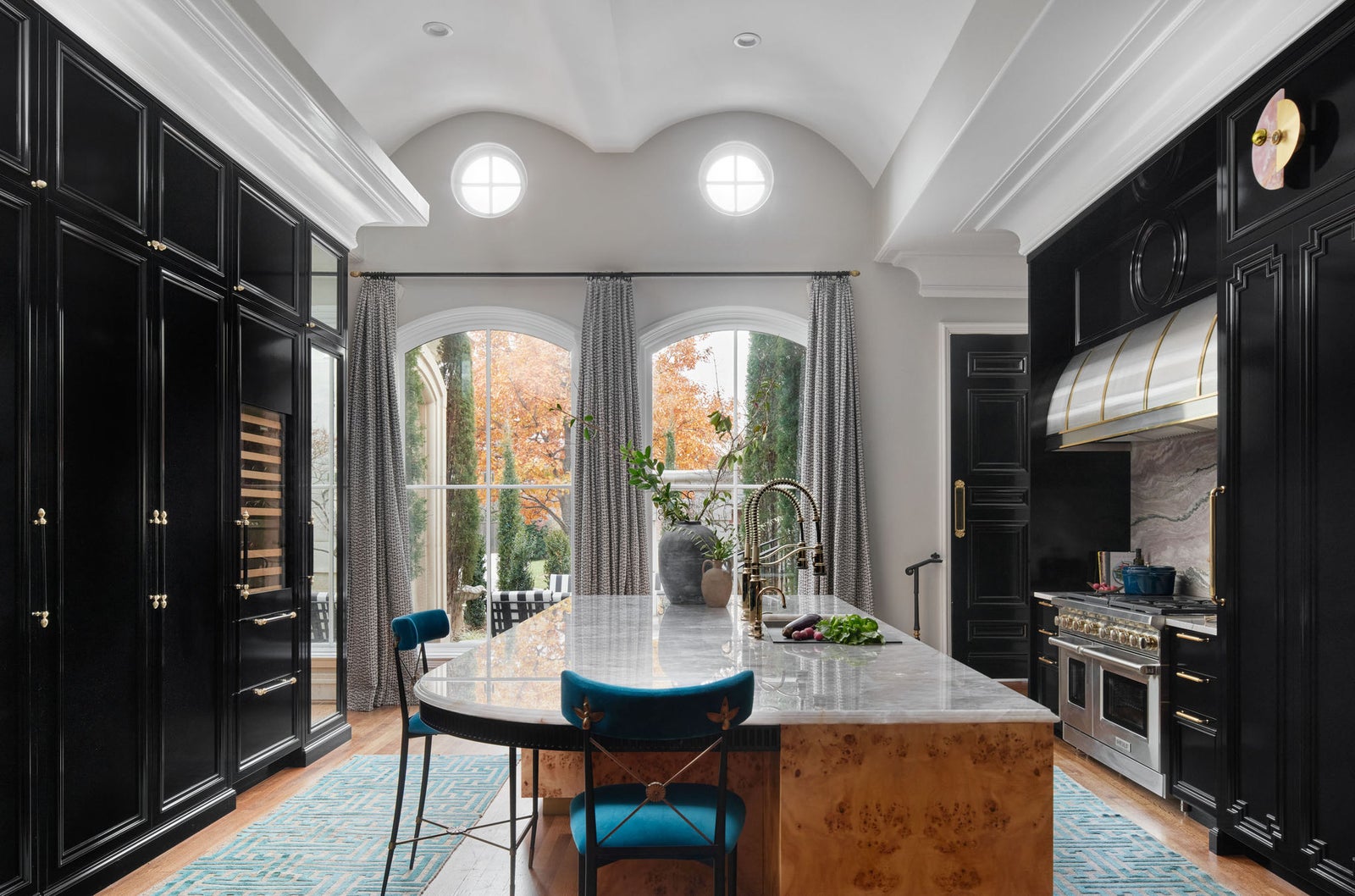
Wolf professional ventilation hoods are engineered to handle the significant cooking volumes produced by Wolf professional ranges, rangetops, and cooktops — with airflow ratings from 300 CFM to over 1,200 CFM depending on the model and configuration. When a Wolf range hood stops moving air effectively — or stops running entirely — the impact on kitchen air quality and cooking comfort is immediate. Cooking smoke, steam, and odors accumulate rapidly without effective ventilation, and the cooking environment becomes uncomfortable and potentially hazardous with sustained use.
This guide covers the five most common causes of Wolf range hood blower failure or reduced performance, from the simplest to the most complex, with specific guidance on what each cause involves and how it is repaired.
1. Clogged or Saturated Grease Filters
The most common cause of dramatically reduced Wolf range hood airflow — in hoods that appear to be running normally in every other respect — is grease filters that have become so saturated with cooking grease that they are blocking airflow. This is not a malfunction: it is a maintenance issue. In severe cases, saturated grease filters can reduce effective airflow by 50% or more.
Wolf range hood grease filters (stainless mesh baffle filters) should be cleaned regularly — monthly in kitchens where the range is used daily for high-heat cooking, and quarterly at minimum in lighter-use kitchens. The filters visible beneath the hood canopy that appear gray and heavy with accumulated grease are restricting the airflow that passes through them before reaching the blower motor.
What to do: Remove all grease filters from the hood. Clean them in a dishwasher (top rack) or soak in hot water with a degreasing dish soap for 20–30 minutes, then scrub with a brush and rinse thoroughly. Allow to dry completely before reinstalling. After reinstalling clean filters, test the hood at all speed settings. If airflow improves dramatically after filter cleaning, no further service is needed — establish a regular filter cleaning schedule to prevent recurrence.
2. Failed Blower Motor
If the Wolf range hood produces no airflow at any speed setting — particularly if the hood controls function normally but the blower does not spin at all — the blower motor has likely failed. Blower motor failure is the most common hardware cause of complete Wolf range hood airflow loss.
Wolf ventilation hoods use high-capacity centrifugal blower motors rated for continuous duty at the hood’s specified CFM output. These motors can fail from bearing wear (especially in hoods installed in high-temperature environments above professional-output ranges), winding failure from overheating caused by years of operating with clogged grease filters that force the motor to work against excessive resistance, or run capacitor failure.
Signs of blower motor failure:
- The hood controls respond normally but the blower does not spin at any speed
- The blower hums but does not spin (indicates a seized bearing or failed run capacitor)
- The blower spins at low speed only and cannot reach medium or high speed
- The blower runs but produces unusual grinding or rattling noise
A blower motor that hums but does not spin is particularly common — this is a run capacitor failure. The run capacitor provides the phase shift needed for motor startup. When it fails, the motor receives power (hence the hum) but cannot generate the rotating magnetic field needed to spin. Capacitor replacement is significantly less expensive than motor replacement. Our technicians test the capacitor before recommending motor replacement — if the capacitor is the fault, it is replaced rather than the entire motor assembly.
What to do: If the motor itself has failed (no response to direct voltage), motor replacement is required. Wolf ventilation hood blower motor assemblies are model-specific — most configurations require matching the motor to the specific hood model, blower wheel size, and CFM rating.
3. Failed Electronic Speed Control Board
Wolf Signature Series and Contemporary Series ventilation hoods use an electronic speed control board to regulate blower motor speed through the multiple speed settings available. If this board fails, the hood may lose some or all speed settings while retaining others.
Typical symptoms of a failed speed control board in a Wolf range hood:
- The hood operates at low speed only — medium and high speed do not engage
- The hood runs at only one speed regardless of which speed button is pressed
- The blower turns on at full speed when any speed button is pressed and cannot be reduced
- The hood is completely unresponsive to all control inputs despite having electrical power
What to do: Speed control board diagnosis requires professional access to the hood’s electronic components. Our technicians can access and test the speed control board, confirm the diagnosis, and replace the board with a compatible Wolf OEM part. This is typically a single-visit repair — speed control boards for Wolf hoods are common service parts stocked by our technicians.
4. No Power to the Hood
If the Wolf range hood is completely unresponsive — no blower, no lighting, no control panel response — the hood has lost power entirely. Unlike a blower motor failure where the controls still respond, total power loss presents as a completely dead appliance.
Total power loss can result from a tripped circuit breaker dedicated to the hood circuit, a blown internal fuse in the hood’s electrical system, or an open circuit in the wiring between the electrical supply and the hood.
What to do: First, check the circuit breaker panel for a tripped breaker. The Wolf range hood should have a dedicated circuit — locate and reset the breaker if it has tripped. Reset the breaker (off for 60 seconds, then on) to rule out a soft trip. If the hood remains completely dead with confirmed circuit breaker power, the hood has an internal fuse or wiring fault requiring professional service.
5. Duct Obstruction or Stuck Exhaust Damper
This cause is distinct from the others because the blower motor and controls may be functioning perfectly — the hood runs, all speed settings work, and the motor sounds normal — but very little air is actually being exhausted from the kitchen. The problem is not in the hood itself but in the duct system.
Two specific duct issues cause this symptom in Wolf range hood installations:
- Stuck exhaust damper: Duct installations include a gravity-operated damper at the exterior duct termination that opens when the blower runs and closes when it stops (to prevent cold air backdraft). A damper stuck closed from grease accumulation, debris, or mechanical binding prevents exhaust airflow even when the blower is running at full speed. The motor is working correctly — but it is pushing air into a closed damper with nowhere to go.
- Duct blockage: Bird nests, insulation that has fallen into the duct, or collapsed flexible duct sections can completely block exhaust airflow. In older installations, accumulated grease deposits inside the duct can significantly reduce the effective duct diameter and airflow capacity.
What to do: If possible, inspect the exterior duct termination while the hood is running. You should feel significant airflow from the exterior duct cap at high blower speed. If little or no airflow is felt at the exterior while the hood is running loudly indoors, a duct obstruction or stuck damper is the likely cause. Duct cleaning and damper service require a duct cleaning professional or HVAC technician.
Our technicians diagnose and repair Wolf hood electrical and mechanical components — blower motor, run capacitor, speed control board, lighting, and internal wiring. For duct-related issues, we can advise on the likely cause and refer to appropriate duct service providers. View our Wolf ventilation repair service or book a service appointment.
Need a Wolf Appliance Repair?
Same-day service · Certified Wolf technicians · 30-day warranty on every repair.