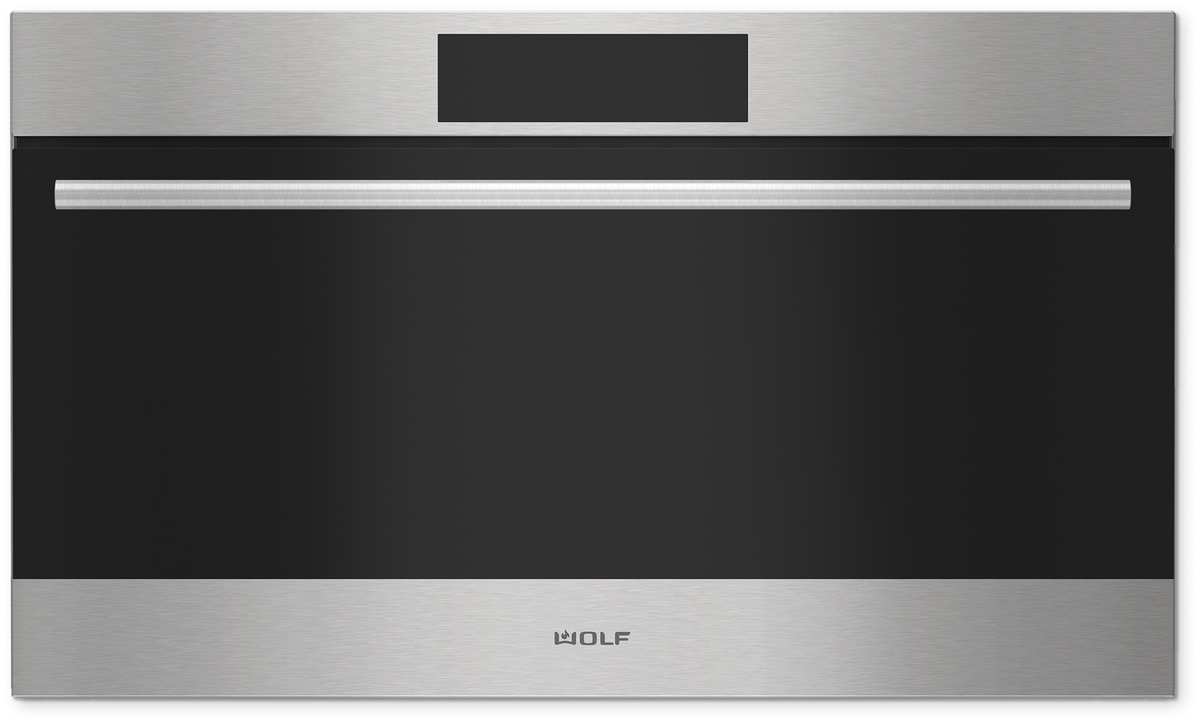
The Wolf M Series Speed Oven — available as the SPO24 and SPO30 — is one of the most versatile and capable built-in cooking appliances Wolf produces. Combining a full convection oven with microwave energy and a powerful speed-cook mode, the M Series Speed Oven can reduce cooking times by 25 to 75 percent compared to a conventional oven alone. But getting the best results from this combination appliance requires understanding how each cooking mode works, when to use each, and how to maintain it for years of reliable performance.
This guide covers everything Wolf M Series Speed Oven owners need to know — from choosing the right cooking mode to preventing the most common faults and understanding what to do when a fault code appears.
1. Understanding the Three Core Cooking Modes
The Wolf M Series Speed Oven offers three distinct operating modes, each appropriate for different cooking tasks. Understanding which mode to select is the single most important factor in getting great results from the appliance.
Convection Oven Mode
In convection mode, the M Series Speed Oven functions as a standard convection oven — the convection element and fan circulate heated air throughout the cavity without any microwave energy. This mode is ideal for roasting, baking, and any cooking task that benefits from even, dry heat. Convection mode in the M Series Speed Oven produces results identical to a full-size Wolf convection wall oven for most cooking tasks. Use convection mode for: roasted vegetables, baked chicken, casseroles, bread, pastries, and anything that would overcook or become rubbery with microwave energy.
Microwave Mode
In microwave mode, the M Series Speed Oven uses magnetron-generated microwave energy — functioning as a full-power built-in microwave without convection heating. This mode is ideal for reheating, defrosting, melting, and cooking foods that benefit from rapid, even moisture-based heating. The M Series platform uses an inverter-controlled magnetron that delivers true variable power, which produces more even reheating than older on/off cycling microwave designs. Use microwave mode for: reheating leftovers, defrosting meats, melting butter or chocolate, cooking fresh vegetables, and heating liquids.
Speed Cook Mode
Speed cook is the M Series Speed Oven’s signature mode — it combines convection heat and microwave energy simultaneously. The oven applies both heat sources in coordinated cycles that cook food from the inside and outside at the same time, dramatically reducing cooking time while producing results that look and taste like conventional oven cooking. A roasted chicken that takes 90 minutes in a standard oven can be completed in 30 to 40 minutes in speed cook mode. Use speed cook for: whole roasted chicken and other poultry, pork roasts, baked potatoes, casseroles, and any dish that benefits from both internal cooking and surface browning.
2. Cookware Compatibility in Each Mode
Cookware selection matters significantly in the M Series Speed Oven because different modes have different material requirements. Using the wrong cookware for a given mode can produce poor results or, in the case of microwave and speed cook modes, create a safety hazard.
- Convection mode only: All standard oven-safe cookware — stainless steel, aluminum, cast iron, ceramic, glass, and even non-stick — is compatible with convection-only mode. The same rules that apply in your Wolf wall oven apply here.
- Microwave mode and speed cook mode: Metal pans, aluminum foil, and any metallic cookware must not be used in microwave or speed cook modes. Microwave energy reflects off metal surfaces, which can cause arcing and damage to the magnetron. Use only microwave-safe materials: glass, ceramic, microwave-safe plastic, and silicone. Wolf supplies a specific microwave-safe tray and rack with the M Series Speed Oven — use these for speed cook mode whenever possible, as they are designed for optimal results in the combined cooking environment.
3. Getting the Best Results in Speed Cook Mode
Speed cook mode requires a brief adjustment period for most new M Series Speed Oven owners. Because the mode combines two heat sources, recipes developed for conventional ovens need to be adapted. Wolf provides a comprehensive recipe guide and cooking chart with the M Series Speed Oven that covers the most common foods — use these as your starting reference until you develop familiarity with the appliance.
Key speed cook best practices:
- Always preheat. Speed cook mode requires preheating, just like a convection oven. Starting food in a cold oven in speed cook mode produces uneven results.
- Use the Wolf-supplied oven rack in the correct position. The rack position recommended in the Wolf cooking guide is specifically calibrated for the M Series cavity geometry. Deviating from recommended rack positions in speed cook mode affects browning and cook time.
- Monitor cooking time closely on your first attempt with a new recipe. Speed cook times are typically 50 to 65 percent of conventional oven times. Overcooking is easier to do in speed cook mode than in a standard oven because the combined heat source penetrates food faster.
- Allow the oven to cool between speed cook cycles. Running multiple consecutive speed cook cycles at high power can accelerate the cooling fan duty cycle and increase wear on the magnetron. Allow at least 10 minutes between extended speed cook sessions.
4. Cleaning and Interior Maintenance
The M Series Speed Oven interior requires regular cleaning to maintain optimal performance. Unlike Wolf ranges with self-clean cycles, the M Series Speed Oven cavity should be cleaned manually — do not use conventional oven cleaners or abrasive materials on the interior surfaces.
- After every use: Wipe the interior cavity walls and the oven floor with a soft damp cloth to remove splatter and grease before it bakes on. This takes less than two minutes and prevents heavy buildup that requires more intensive cleaning.
- Weekly (in regular use): Clean the microwave waveguide cover — the flat panel inside the cavity that protects the waveguide opening. Food splatter on the waveguide cover can cause arcing during microwave mode and accelerate waveguide damage. Remove the waveguide cover according to your owner’s manual and clean it gently with a damp cloth.
- Monthly: Clean the Wolf-supplied oven tray and rack thoroughly. Grease buildup on the rack can smoke during speed cook mode and cause odors that transfer to food.
- Never: Use steel wool, abrasive scrub pads, commercial oven cleaners (sodium hydroxide-based), or any spray cleaner that is not specifically approved for microwave interiors. These can damage the cavity coating and compromise microwave safety.
5. Common Wolf M Series Speed Oven Fault Codes
The Wolf M Series Speed Oven uses E-series fault codes to communicate specific component failures. Understanding what each code means helps you know how urgently to schedule service and whether any cooking modes remain available while you wait for repair.
- E0 — Cooling fan failure. The magnetron cooling fan has failed or is not running at the required speed. Microwave and speed cook modes are disabled to prevent magnetron overheating. Convection mode typically remains available. Do not attempt microwave operation with E0 active — this is a protective shutdown. Schedule professional repair promptly.
- E1 — Temperature sensor fault. The internal temperature sensor has failed or is reading outside the acceptable range. Convection and speed cook modes may be affected. Reset at the circuit breaker for 60 seconds; if E1 returns, schedule service.
- E2 — High voltage magnetron circuit fault. A fault has been detected in the high voltage circuit that powers the magnetron. Microwave and speed cook modes are disabled. Do not attempt to open the oven cabinet — the high voltage capacitor retains lethal charge even after power is disconnected. Professional service required.
- E9 — Door latch or interlock switch fault. The door safety interlock switches have not confirmed the door is properly closed. All microwave and speed cook modes are disabled. Inspect the door latch hooks and closure mechanism for damage or misalignment. If the door appears properly closed and E9 persists after a power reset, professional service is required.
- F1 — ERC control board internal fault. The electronic control board has detected an internal fault. All functions may be disabled. Reset at the circuit breaker for 60 seconds. If F1 returns, the control board requires professional replacement.
6. When to Schedule Professional Service
The Wolf M Series Speed Oven contains high voltage components (the magnetron circuit operates above 2,000 volts) that make internal diagnosis and repair strictly a professional-only task. Never attempt to open the oven cabinet or access internal components, even with the appliance unplugged — the high voltage capacitor stores charge that can be lethal even after power is disconnected.
Schedule professional service when:
- Any E-code or F-code appears that does not clear after a single circuit breaker reset
- The oven runs its fan and timer but does not heat food in microwave mode (magnetron failure)
- The door does not latch securely or the latch hook appears damaged
- Any unusual burning smell, arcing sound, or visible sparking during operation
- The drawer mechanism on the SPO30 does not open or close smoothly (drawer motor fault)
Our certified Wolf technicians carry M Series Speed Oven OEM parts — cooling fans, magnetrons, door interlocks, and control boards — and complete the majority of speed oven repairs in a single visit. View our Wolf Speed Oven repair service or schedule a repair appointment.
Need a Wolf Appliance Repair?
Same-day service · Certified Wolf technicians · 30-day warranty on every repair.